
Mindfulness is the practice of paying full attention to the present moment without judgment, and it offers powerful benefits for both mental and physical health. In a world filled with constant notifications, deadlines, and distractions, mindfulness helps people slow down and focus on what is happening right now. Research shows that practicing mindfulness can reduce stress, anxiety, and feelings of overwhelm. By concentrating on breathing, bodily sensations, or immediate surroundings, individuals can calm their nervous system and interrupt cycles of worry about the past or future.
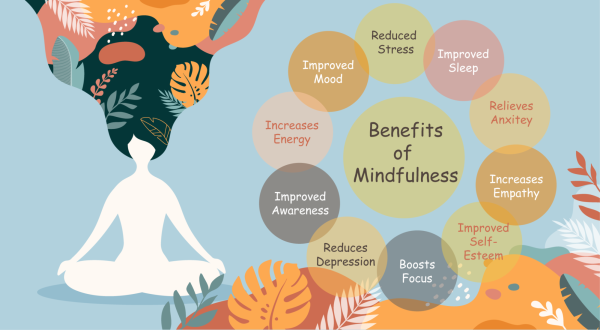
Another major benefit of mindfulness is improved emotional regulation. When people become more aware of their thoughts and feelings, they are less likely to react impulsively or become controlled by negative emotions. Instead of immediately responding with anger, fear, or frustration, mindfulness creates a pause that allows for thoughtful decision-making. Over time, this can lead to stronger relationships, better communication, and increased empathy toward others. Many students also find that mindfulness helps them manage academic pressure by staying focused and reducing test anxiety.
Mindfulness can also enhance concentration, memory, and overall well-being. Regular practice has been linked to better sleep, improved immune function, and increased happiness. Even a few minutes of mindful breathing or quiet reflection each day can boost attention span and productivity. Because it requires no special equipment and can be practiced anywhere, mindfulness is an accessible tool for people of all ages. By learning to be fully present, individuals can experience life more deeply, appreciate everyday moments, and build long-term resilience against stress.